
From 6,50€
/per person
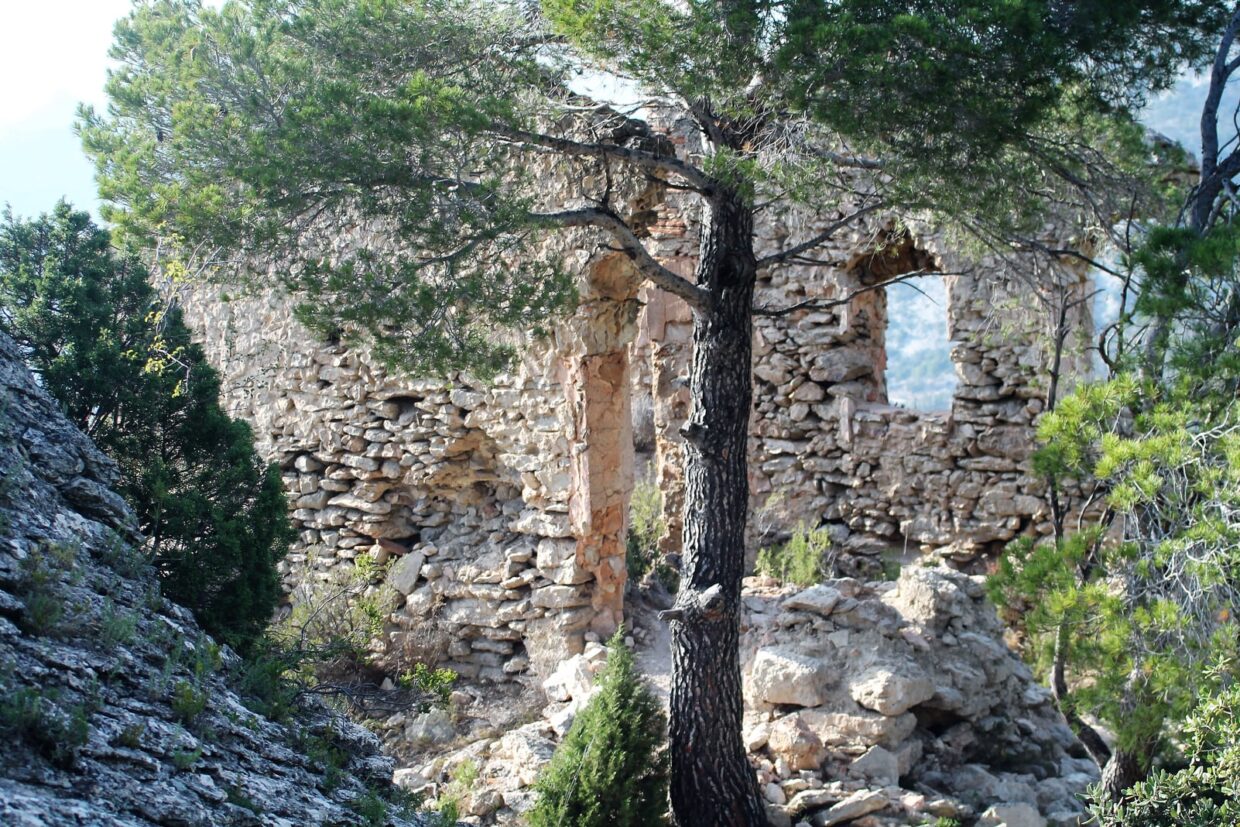
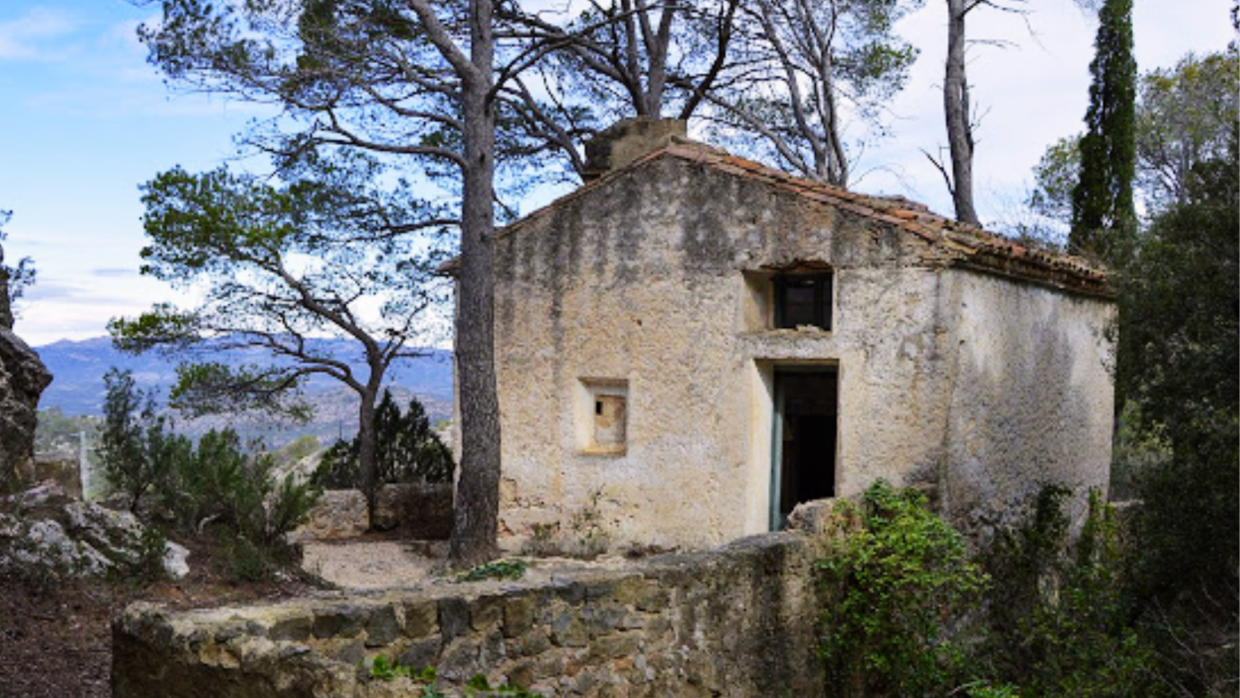
With the consolidation of the Carmelite Order in Spain by Saint Teresa of Jesus, the religious dedicated themselves to founding new monasteries and organizing an austere life. This included the creation of religious deserts in remote places, where only those religious who requested went. At the beginning of the 17th century, Fra Jeroni de l'Assumpció, new Prior of Tortosa, asked Fra Pau de Crist (Pere Pau Revull, born in Gavadà) to found a hermitage in the area. He went to the Serra de Tivissa to look for a suitable area, but he met according to oral tradition some bandits who, thinking they wanted to rush them, accompanied him to Cardó telling him that there were good lands.
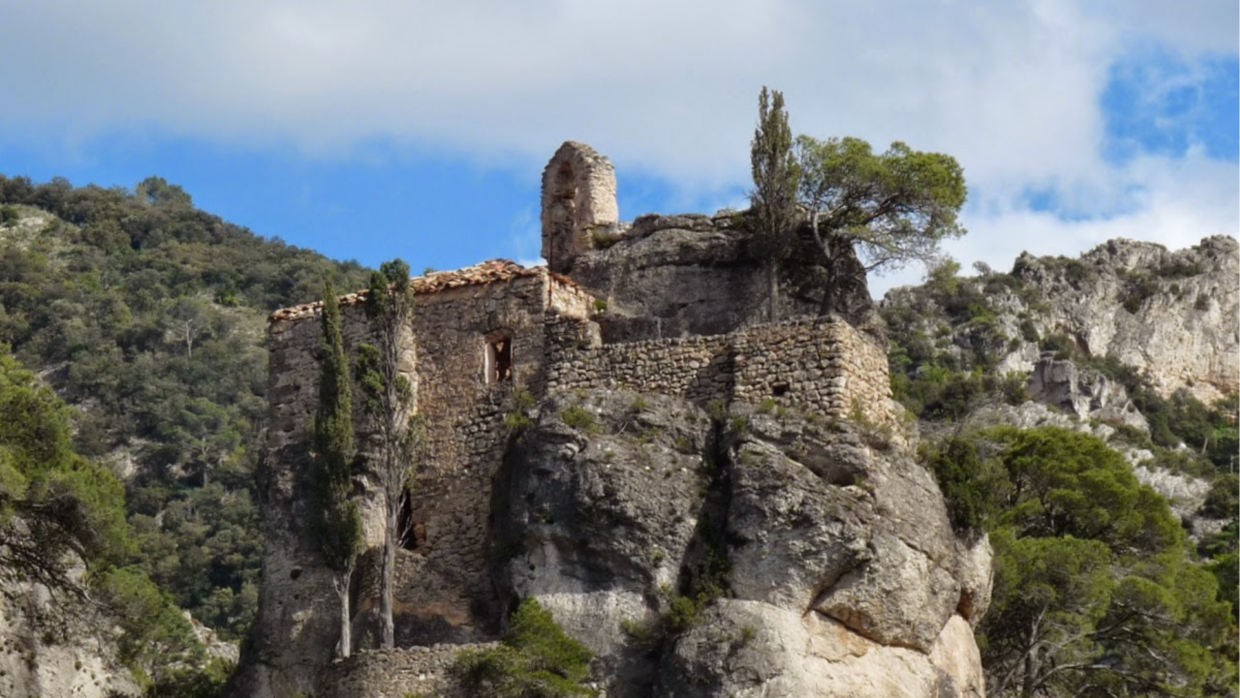
This synchronicity would be the first of many that have accompanied the Spa and the Hermitage of Cardó throughout its history and that has meant that there was always someone who was enchanted by its beauty. This is how Fra Pau de Crist, in 1605, would take the decision to build a Carmelite hermitage in the Serra de Cardó.
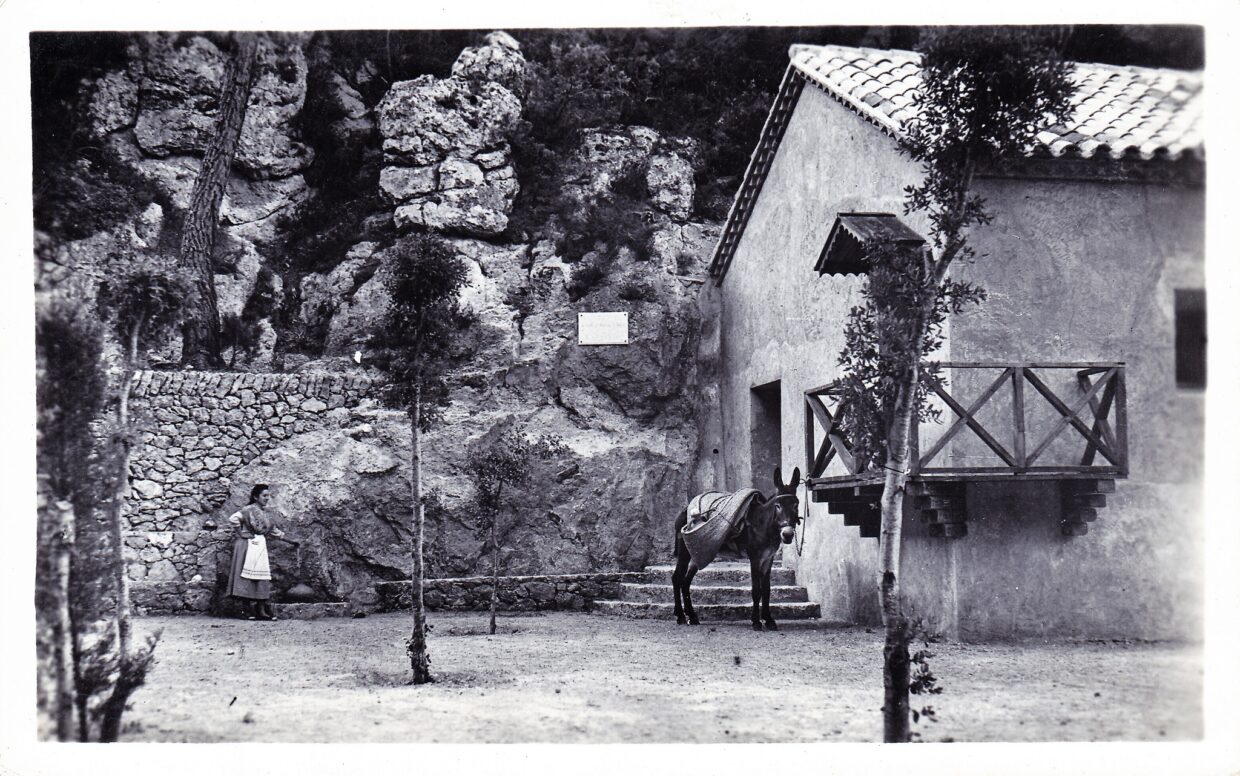
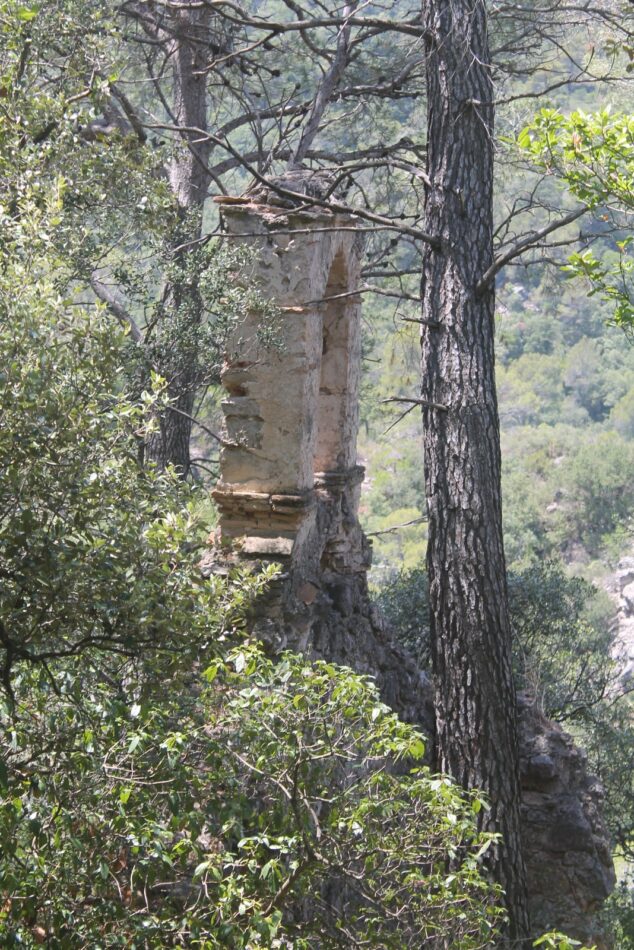
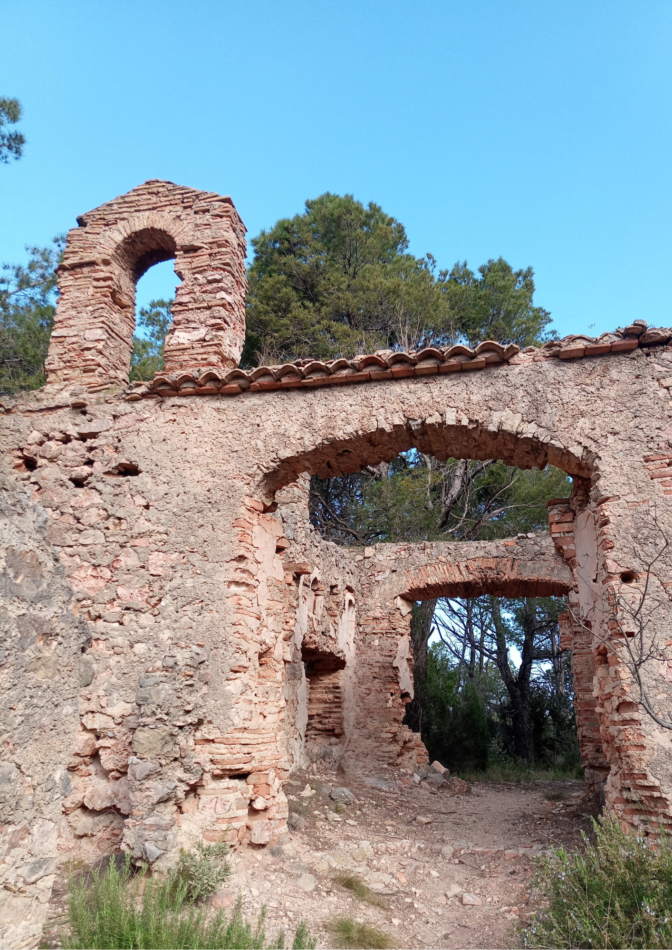
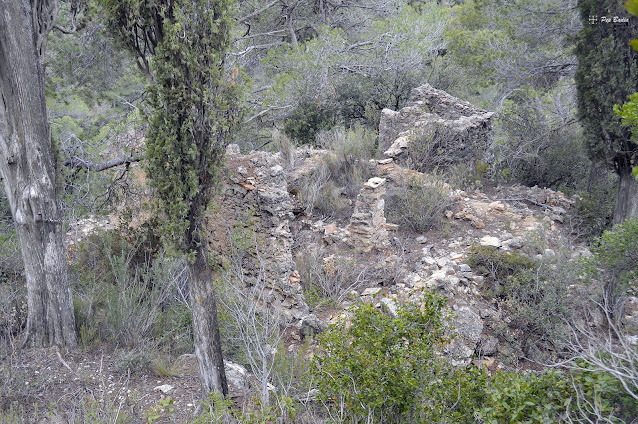
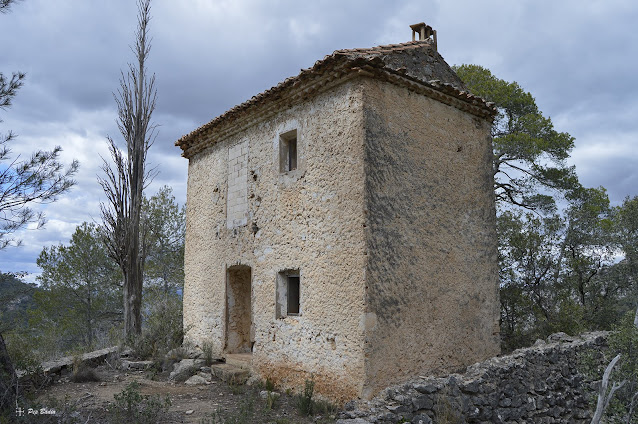
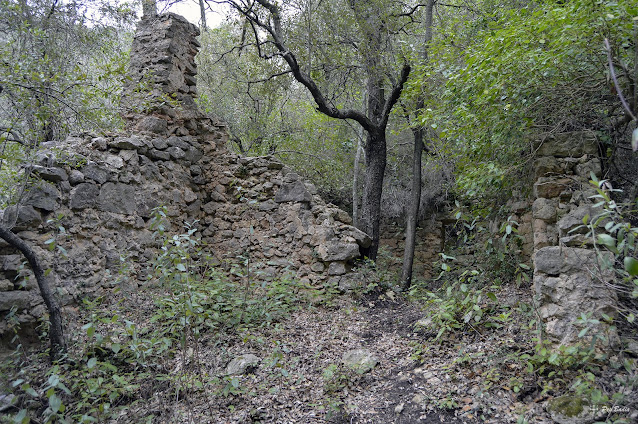
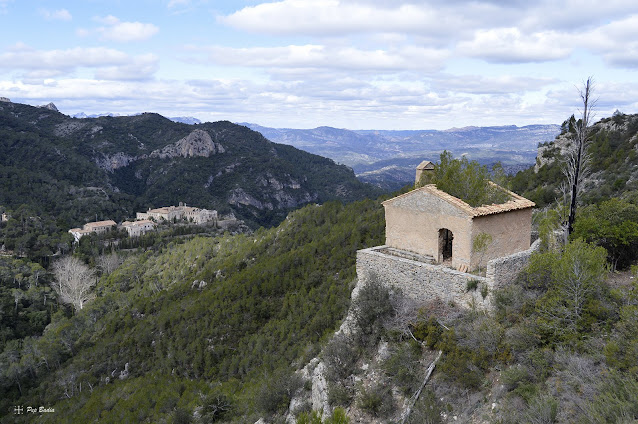
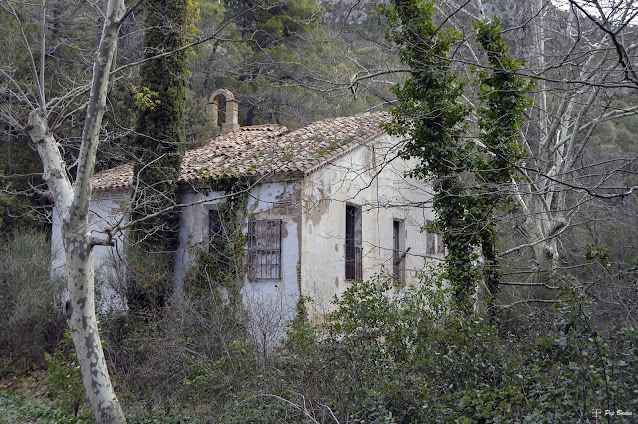
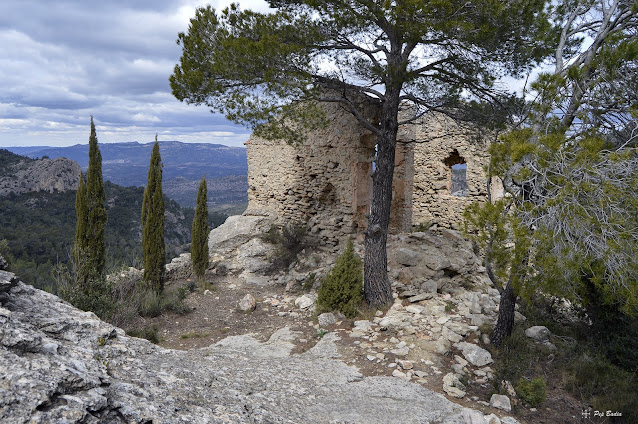
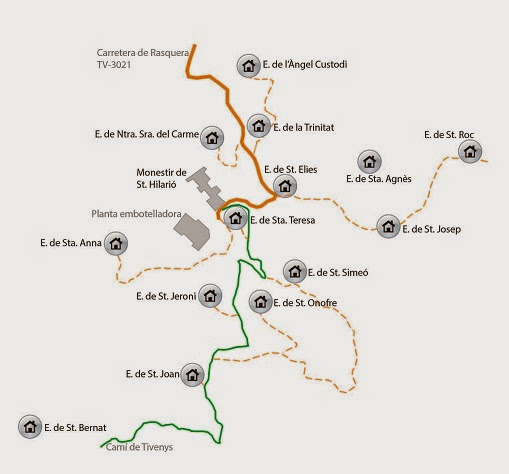
The first buildings in the Desert of Sant Hilari de Cardó were the work of three friars and a laborer, who adapted a cave as the home of Fra Pau de Crist, known today as the Cave of the Founder. In 1606, the valley was acquired and a commemorative tombstone was placed in the chapel, starting the construction of the convent and the hermitages, which were financed by donations from the wealthy of the time, in exchange for prayers for their salvation. Between 1611 and 1626, 11 chapels were built, increasing to 14 a century later. The first hermitages included those of Sant Bernat, Sant Josep, Sant Ángel Custodi, and others.
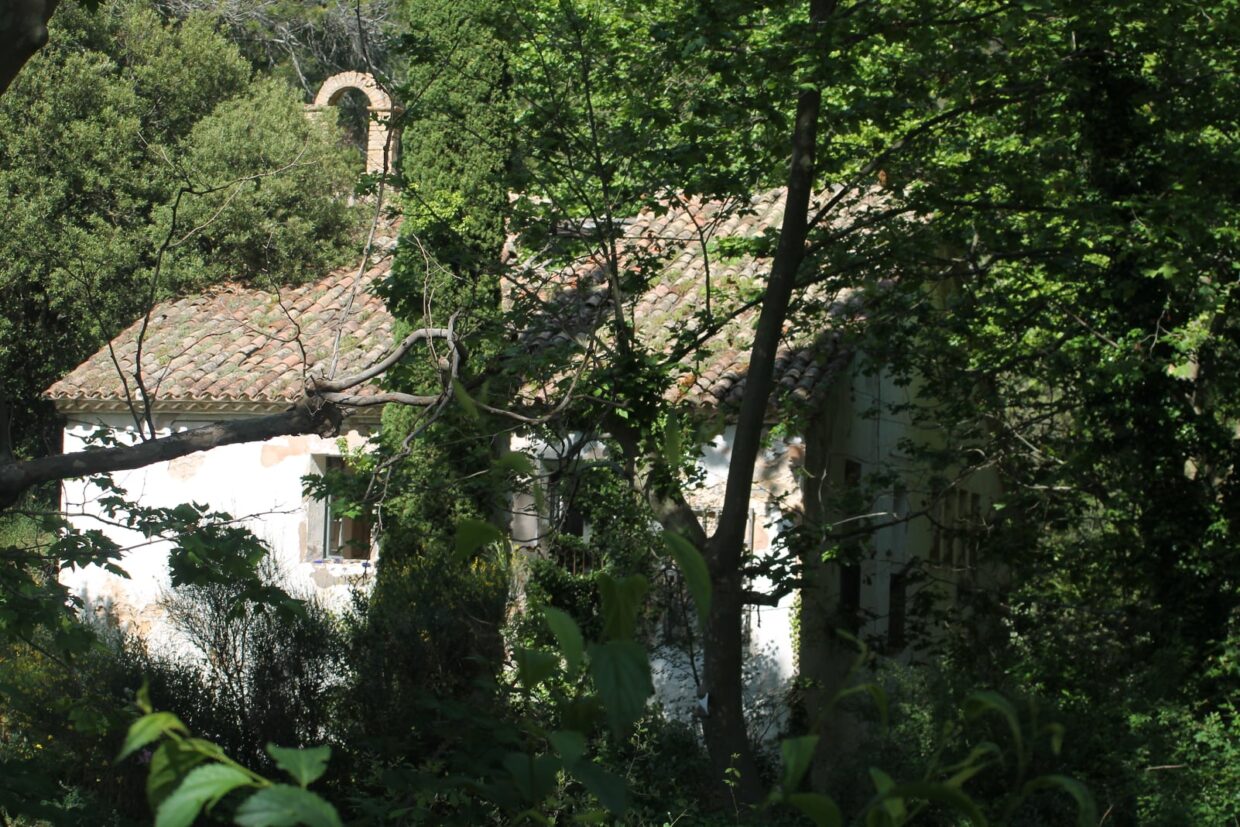
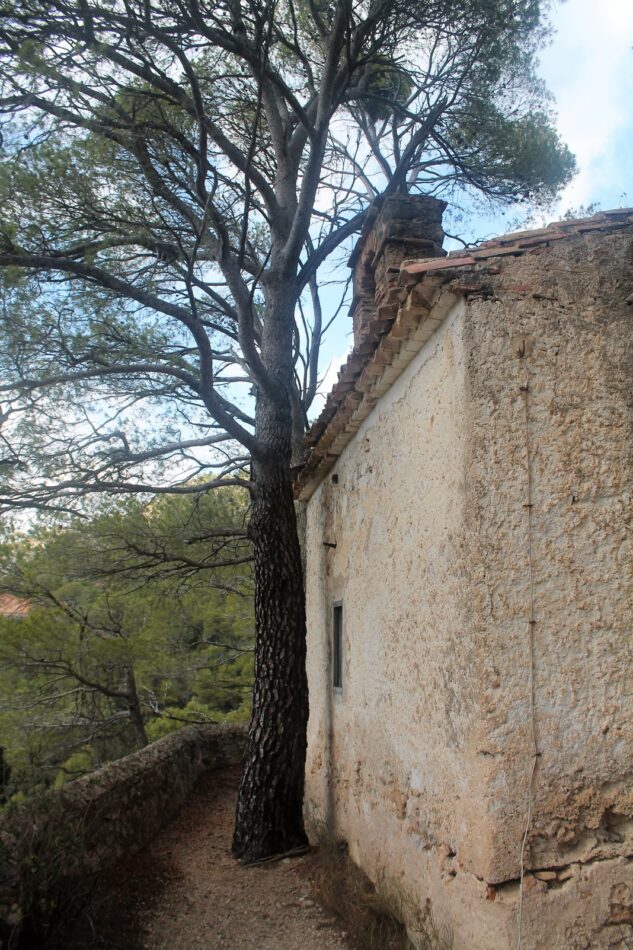
The Carlist War and the confiscation decree of 1836 forced the abandonment of the site, dispersing the monks' belongings and leaving the land without commercial use. In 1866, entrepreneurs from Tortosa turned the ruins of the monastery into a spa, taking advantage of the mineral-medicinal waters of the area. The outbuildings were rebuilt and in 1870, the adjacent lands were owned by José Monclús. Salvador Cabestany Gasol acquired most of the estates in 1872, transforming the old church into a dining room and the cells into guest rooms. At the end of the 19th century, the spa gained great popularity. In 1899, Salvador Cabestany promoted an expansion with the construction of the Sant Salvador building. In 1902, the construction of a new road began in Rasquera, increasing visitors thanks to the new Móra la Nova railway station.
During the Civil War, the spa was occupied by the International Brigades and later by the Republican Army, establishing a command and an emergency hospital.
Benifallet Tourism Office
Av. Lluís Companys, 6
Benifallet 43512
Tel. 977 462 334 977462334
SENDERES.BLOGSPOT.COM
Benifallet is a unique destination for history and nature lovers. The Spa and Hermitage of Cardó, with its rich history and impressive landscapes, offer an unforgettable experience. Discover the hiking routes, visit the old hermitages and enjoy the mineral-medicinal waters that made this place famous. Benifallet awaits you to offer you a complete immersion in its magical history and natural beauty.