
Aldovesta
A HISTORICAL JEWEL
Welcome to the Phoenician site of Aldovesta, a fascinating window into the rich history of the Phoenician civilization in our territory. Located in the municipality of Benifallet, this site offers a unique look at one of the most influential cultures of antiquity.

Discovery and Historical Importance
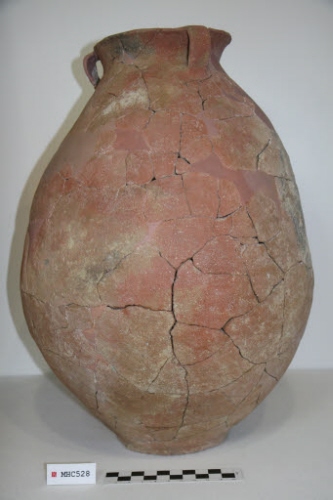
The Phoenician site of Aldovesta was discovered during the archaeological excavations carried out in the middle of the 20th century. Archaeologists identified Aldovesta as a pivotal trading enclave of the Phoenicians, who established an extensive trade network along the Mediterranean coast. The Phoenicians, known for their naval and trading skills, played a crucial role in spreading culture, alphabet and technology throughout the Mediterranean. Excavations have revealed a variety of artefacts, including ceramics, household utensils, jewelery and work tools, which demonstrate the high quality of Phoenician manufacture. Highlights include amphorae that were used to transport oil, wine and other goods, as well as structural remains that indicate the presence of an organized settlement with significant commercial activity.

Cultural and Educational Importance
The preservation and study of the Phoenician site of Aldovesta is fundamental to understanding the influence of the Phoenicians on the Iberian Peninsula. This site is not only a testament to their presence, but also a valuable educational tool for schoolchildren, students and researchers. Educational programs and guided tours allow visitors to deepen their knowledge of ancient history and appreciate the importance of the archaeological heritage.
Aldovesta is the site that represents the “key point for the understanding of the interaction mechanisms of Phoenician trade in the lower course of the Ebro from its role as a river ferryboat controlled by Phoenician merchants in close relationship with the local hierarchies that very they would probably help to develop, as indicated by the construction typologies and the territorial analysis of the imminent phase after the exhaustion of the first Phoenician contacts, although without reaching to constitute a palatial system like those known (or intuited) in the southern area of the Iberian Peninsula as a reflection of previous and contemporary organizational patterns in the Near East” (Almagro Gorbea, 1994 apud Gràcia and Munilla, 2004: 295).
FOUND AT THE PHOENICIAN SITE OF ALDOVESTA
Among the most significant findings of the site, stand out:
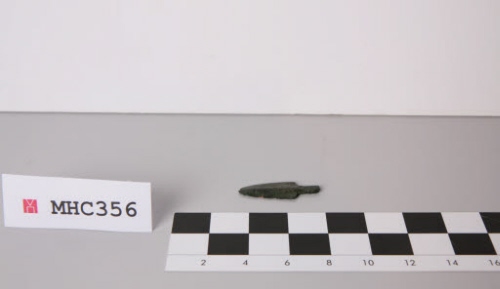
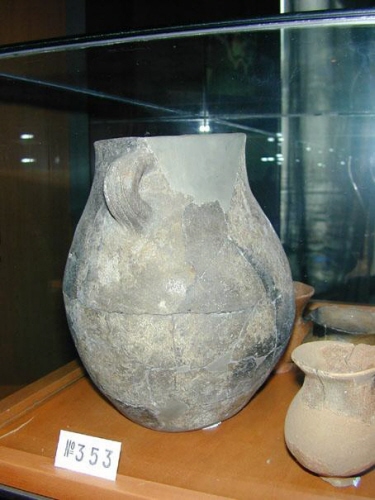
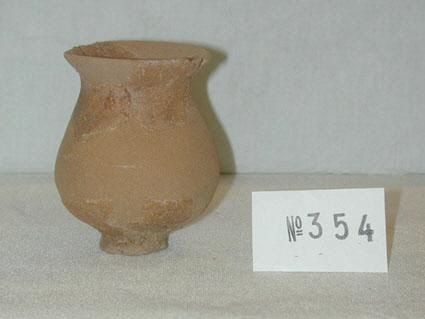
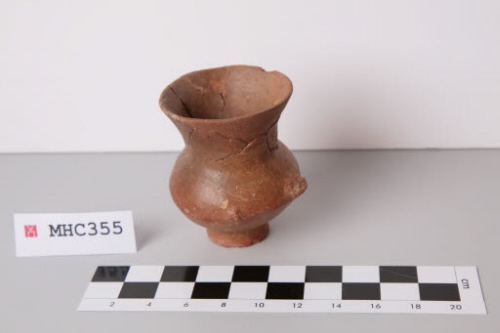
- Ceramic Remains: Ceramic pieces with geometric decorations typical of the Phoenician culture, which allow us to better understand their manufacturing techniques and artistic styles.
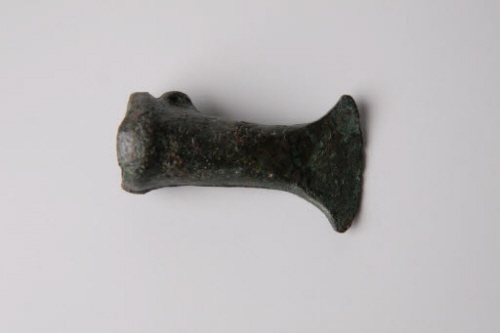
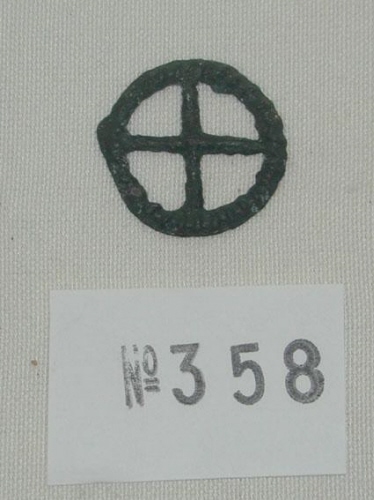
- Metal Objects: Household utensils, weapons and jewelry made of bronze and iron that reveal aspects of the daily life and social stratification of the Phoenician community.
- Architectural Structures: Foundations of houses and other buildings that show the type of urban planning and construction techniques used by the Phoenicians.
- Import Remains: Objects from other Mediterranean regions, such as amphoras and Greek and Egyptian ceramics, which evidence the intense commercial activity of the Phoenicians.
Expositions and Museums
The findings of the Phoenician Site of Aldovesta can be admired in several institutions that work to preserve and disseminate this valuable heritage:
- Museu Comarcal del Baix Ebre: Located in Tortosa, this museum houses a permanent collection of objects discovered in Aldovesta. Its rooms offer a complete view of Phoenician culture through the different pieces on display.
- Museum of the History of Catalonia: Based in Barcelona, this museum also exhibits some of the most outstanding finds from the site. In addition, it organizes temporary exhibitions and educational activities for all audiences.


Consult documentation about the site
If your interest goes beyond tourism, this page will not be of much help, so we leave you the links to some documents that will help you expand the information we provide here.
- ASENSIO, D.; BELARTE, M. C.; FERRER, C.; NOGUERA, J.; SANMARTÍ, J.; SANTACANA, J. (1996), "The population of the counties of the lower course of the Ebro during the Late Bronze and the First Iron Age" First Table of Archaeology. Models of occupation, transformation and exploitation of the territory between 1,600 and 500 BC in southern Catalonia and bordering areas of the Ebro Depression, Sant Feliu de Codines, 18-19 November 1994, Gala, 4- 6 (1994-1996), pp. 301-318.
- AUBET, M.E. "The Phoenician trade and the iron communities in Catalonia". Laietània no 8, 1993, pp. 23–40
- BELARTE, C.; MASCORT, M.; SANMARTI, J.; SANTACANA, J. (1991), "The Barranc deIs Gafols site (Ginestar, Ribera d'Ebre): a protohistoric model of agricultural colonization", Butlletí de la Reial Societat Arqueológica Tarraconense Nº 13, pp. 55-67.
- MASCORT i ROCA, M., SANMARTÍ i GREGO, J. i SANTACANA i MESTRE, J. The protohistoric establishment of Aldovesta. A key point of Phoenician trade in Southern Catalonia . Tribuna d'Arqueologia 1987 - 1988, pp. 69-76
- MASCORT and ROCA, M., SANMARTÍ and GREGO, J. and SANTACANA and MESTRE, J. The protohistoric site of Aldovesta and the Archaic Phoenician trade in Southern Catalonia. Province of Tarragona.
- NADAL LORENZO, J. and ALBIZURI CANADELL, S. Archaeozoological study as a basis for theory on human diet at the beginning of the Iron Age and economic complexity in the lower Ebro river.
- NOGUERA GUILLÉN, J. Genesis and evolution of the structure of the Iberian population in the lower reaches of the Ebro River: Northern Ilercavonia. Volume I. 2006. pp. 117-121
- RAMON, J. "The relations of Eivissa in Phoenician times with the communities of the late bronze and early iron of Catalonia". Gala 3-5, 1994 - 1996, pp. 399 - 422
- SANMARTÍ i GREGO, J. The relations of the territory of Catalonia with the Phoenician and Punic world. University of Barcelona.
How to get in?
It can be accessed by car on the regional road that joins Tivenys and Benifallet, by a detour to the left of it, a few meters after passing kilometer 20, coming from Benifallet